
EU Innovation Fund: scale clean technology to market.
Funded by EU emissions-trading revenues, the Innovation Fund backs first-of-a-kind net-zero projects, from energy-intensive industry to renewables, storage and hydrogen.
One of the world’s largest clean-tech funds
The EU Innovation Fund is financed by revenues from the EU Emissions Trading System and backs innovative low-carbon technologies at the point of deployment.
It covers up to 60% of the additional cost of going low-carbon, across large- and small-scale calls plus competitive auctions. See who qualifies further down.









Three routes into the Innovation Fund
Your route depends on project size and technology, from billion-euro flagships to hydrogen auctions.
Large-scale projects
First-of-a-kind deployment of innovative net-zero technology at industrial scale.
Small-scale projects
Smaller pilots and deployments, with a lighter application.
Hydrogen Bank auctions
Competitive bidding for a fixed premium per kilogram of renewable hydrogen.
What the Innovation Fund backs
Projects are judged on innovation and, above all, on the greenhouse-gas emissions they avoid.

Beyond the state of the art, with high greenhouse-gas-avoidance potential.
Energy-intensive industry, renewables, storage, CCUS, hydrogen or clean-tech manufacturing.
Technically ready to build and operate, with a credible business plan.
Projects in EU Member States, plus Norway and Iceland.
| Project type | Funding | Basis |
|---|---|---|
| Large-scale | up to 60% | additional capex + up to 10 years of opex |
| Small-scale | up to 60% | additional capex |
| Hydrogen auction | fixed €/kg premium | competitive bid |
Financed by ETS revenues (~€40bn to 2030, depending on the carbon price). The grant covers the "additional cost" of the low-carbon option versus a conventional one. Thresholds set per call.
Five topics, one €2.9bn call
Projects of every size compete under the NZT call, plus dedicated competitive auctions.
Large-scale projects
Flagship first-of-a-kind industrial deployments.
Medium-scale projects
Mid-sized deployments of innovative net-zero technology.
Small-scale projects
Smaller deployments, with a lighter application.
Cleantech manufacturing
Factories for electrolysers, fuel cells, storage and renewables.
Pilots
First-of-a-kind pilots proving breakthrough concepts.
2025 NZT call budget ≈ €2.9bn. Separate competitive auctions: European Hydrogen Bank (≈€1.3bn) and the first Industrial Decarbonisation Bank auction (≈€1bn). Source: CINEA / European Commission.
Five award criteria, led by emissions avoided
GHG-emission avoidance is the headline metric; the rest decide who wins a competitive call.
How much CO₂e the project avoids, and how cost-effectively.
How far beyond the state of the art the technology goes.
Technical, financial and operational readiness to build and operate.
Potential to scale and be replicated across Europe.
Grant requested per tonne of CO₂e avoided.
Regular grants cover up to 60% of relevant costs (capex + opex minus revenues over the first 10 years); competitive auctions cover up to 100% via a fixed premium. SME-only projects earn a bonus point. Time-to-grant ≈ 11 months.
What it funds, and the 60% rule
The Innovation Fund closes the cost gap between a clean technology and the conventional alternative.
up to 60%
Of the relevant costs, the extra cost of the clean solution over a conventional reference. A non-repayable grant.
Milestone-based
Disbursed against milestones, with up to 40% available before the plant enters operation.
No co-finance race
The grant amount is set when you win, so the project is financed on terms you can plan around.
Open to any low-carbon project at scale
The Innovation Fund is not size- or sector-bound; it is bound to demonstrable emissions cuts.
Single firms, consortia or public bodies in the EU/EEA and certain associated countries.
Innovative technologies mature enough to be demonstrated at commercial scale, not lab research.
From start-ups to large industrials, what matters is the emissions avoided, not the balance sheet.
From small-scale projects under €7.5m of capex to flagship demonstrations above €100m.
See if the Innovation Fund fits
Tell us about your project. A funding advisor reviews your case by hand, then either comes back with feedback or a few follow-up questions. No obligation.
- Whether the Innovation Fund is the right fit
- A first read on the funding amount
- What to prepare before you apply
From first call to funding
Four steps. You stay focused on the work; we handle the funding end to end, on a success-based fee.
Eligibility check
We review your project against the programme's criteria, confirm it qualifies and give you a realistic figure before you commit any time.
Application
You tell us what you are working on; we build the application, write the technical case and manage the entire submission for you.
Submission & review
We file with the responsible authority in your name and handle every query through to the funding decision.
Funding
Once approved, we prepare the required reporting so the funding is released to you, accurately documented and on time.
EU Innovation Fund in practice
Real projects we have taken through EU Innovation Fund, from first scoping to the funding decision. Anonymised, figures as orders of magnitude.


Industries we fund
We've secured German and EU funding across the innovation economy. If you're doing genuine development, your field almost certainly fits.

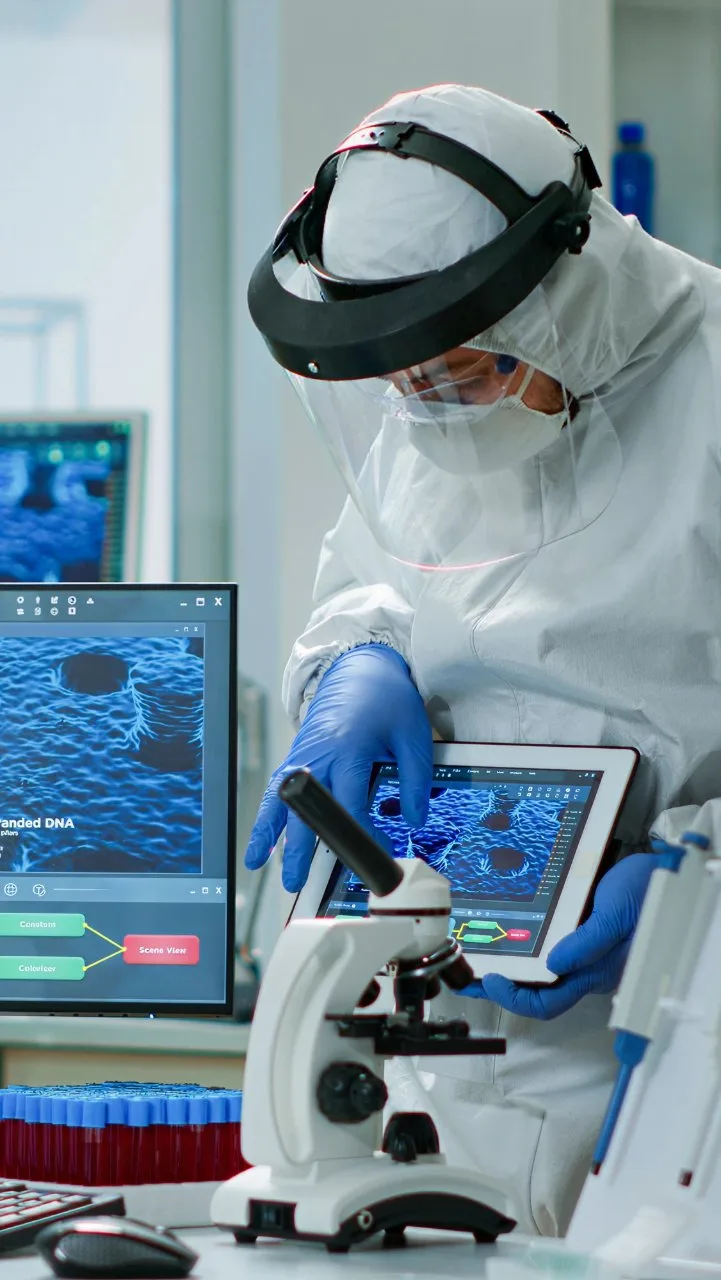



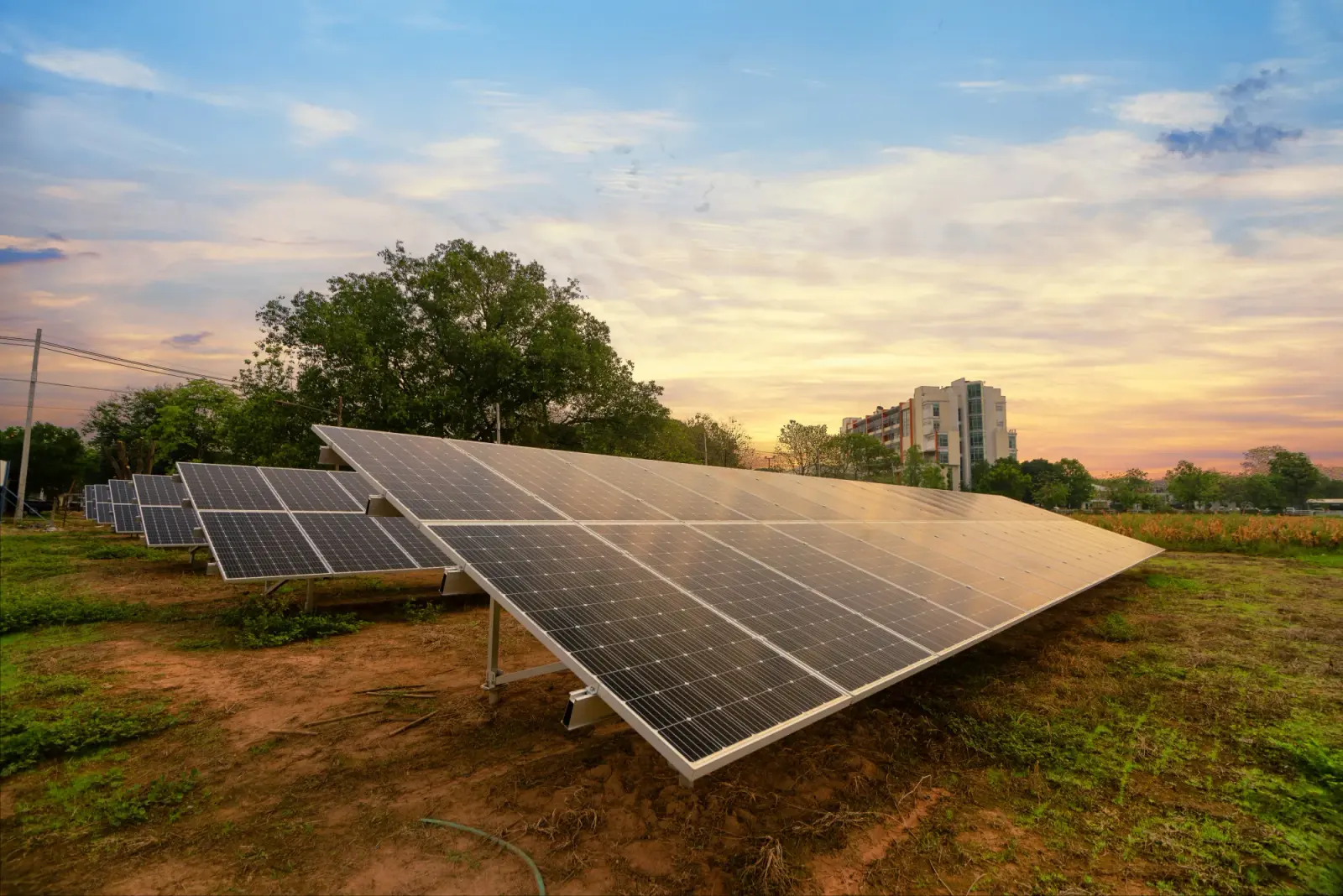


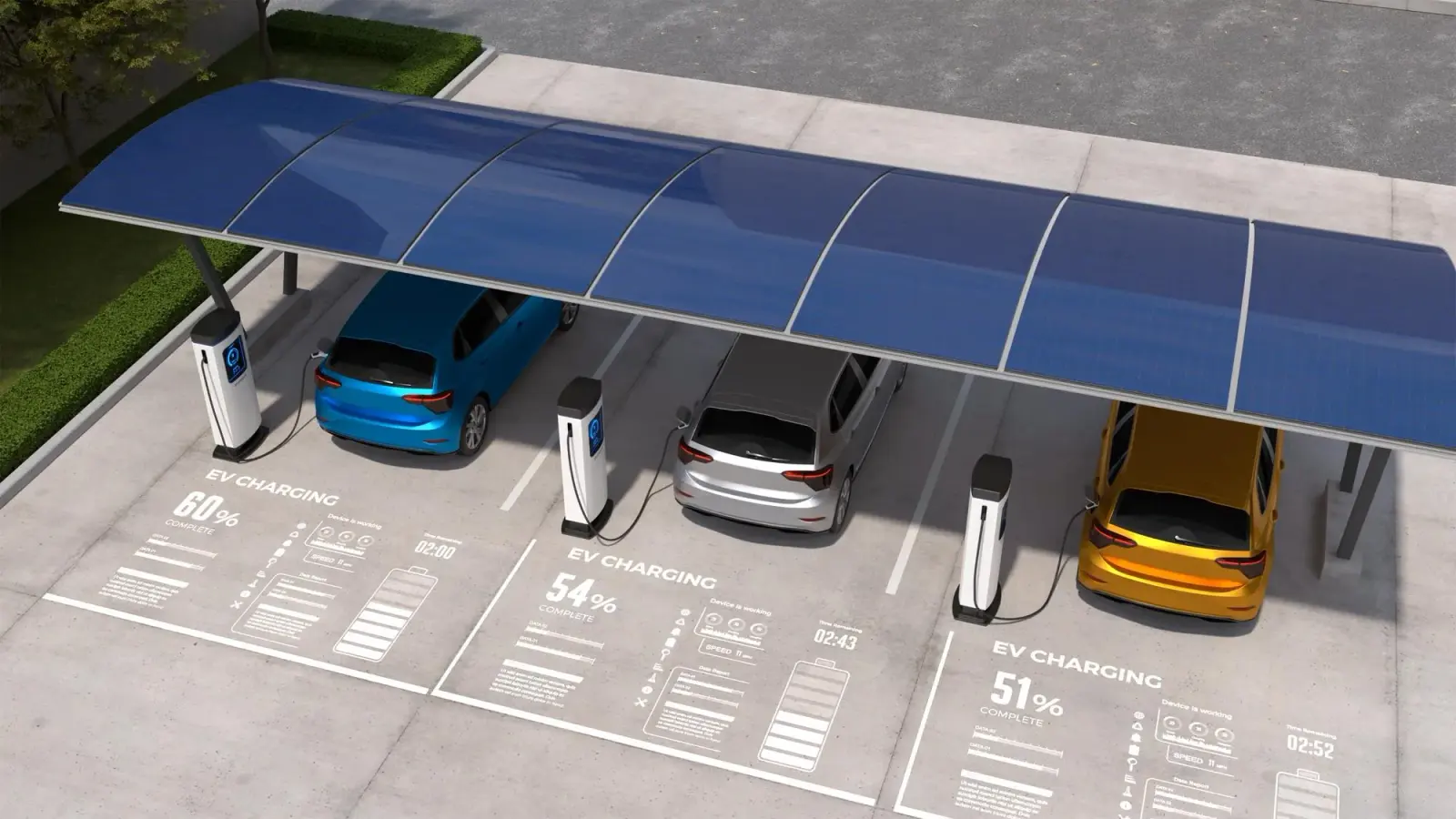
the Innovation Fund guides
Long-form explainers from our knowledge hub, for teams who want the detail before they talk to us.
Large- vs small-scale
Which Innovation Fund track fits your project size.
Read more →GuideHow GHG avoidance is scored
The metric that decides most applications.
Read more →GuideThe Hydrogen Bank auctions
How the fixed-premium hydrogen auctions work.
Read more →GuideWhat counts as "additional cost"
Defining the cost gap the grant actually covers.
Read more →GuideLarge- vs small-scale
Which Innovation Fund track fits your project size.
Read more →GuideHow GHG avoidance is scored
The metric that decides most applications.
Read more →GuideThe Hydrogen Bank auctions
How the fixed-premium hydrogen auctions work.
Read more →GuideWhat counts as "additional cost"
Defining the cost gap the grant actually covers.
Read more →the Innovation Fund questions, answered
The essentials on who qualifies, what is covered and how much.
Companies and consortia deploying innovative low-carbon technology in the EU (plus Norway and Iceland).
Up to 60% of the additional costs of the project compared with a conventional alternative.
Energy-intensive industry, renewables, storage, CCUS, hydrogen and clean-tech manufacturing.
A grant, financed by EU emissions-trading revenues, plus competitive auctions for hydrogen.
On innovation, greenhouse-gas-emission avoidance, maturity, scalability and cost-efficiency.
Ask us anything
Tell us about your project and we'll assess your case by hand. No prep, no obligation. Prefer to talk?