
EU Innovation Fund consulting for clean-tech project developers
BeFunded is a Berlin funding consultancy that takes clean-tech and industrial projects through the EU Innovation Fund, from the first eligibility check to the signed grant agreement. The Innovation Fund pays up to 60% of relevant costs for first-of-a-kind low-carbon deployment, financed by EU emissions-trading revenues. EU Innovation Fund consulting earns its keep when the sums are large and the field is crowded: the 2024 call was nine times oversubscribed.
What is the EU Innovation Fund?
The EU Innovation Fund is the European Commission’s grant programme for the commercial deployment of innovative low-carbon technologies. It is financed by revenues from the EU Emissions Trading System, managed by CINEA, and covers up to 60% of a project’s relevant costs: by default its capex plus ten years of operating costs, minus revenues.
Written both as EU Innovation Fund and Innovation Fund EU, it runs on an estimated €40 billion for 2020 to 2030 and, according to CINEA (March 2026), has committed roughly €15 billion to about 250 projects, including projects still in preparation.
The money goes to deployment, not research. Your project has to be ready to build and operate at commercial scale, with a credible business plan and emission cuts you can prove. BeFunded’s EU Innovation Fund consulting starts from those rules, and the EU Innovation Fund programme guide sets them out in full.





Three routes into the EU Innovation Fund
There are three routes into the EU Innovation Fund: the annual Net-Zero Technologies call for general decarbonisation, the manufacturing and pilot topics inside that call, and the auctions for renewable hydrogen and industrial heat. Capex and technology decide which one fits. Picking the right topic is the first job in any EU Innovation Fund consulting engagement.
Net-Zero Technologies grants
Large, medium and small-scale decarbonisation, split by capex. EU Innovation Fund large-scale projects start above €100 million.
Manufacturing and pilots
Clean-tech factories and first-of-a-kind pilots, both from €2.5 million of capex. Pilot grants cap at €40 million.
Auctions
Competitive bidding for renewable hydrogen, priced per kilogram, and decarbonised industrial heat, priced per MWh of heat.
What does the EU Innovation Fund back?
The EU Innovation Fund backs innovative low-carbon technology ready to be built and run at commercial scale in an EU Member State, Norway, Iceland or Liechtenstein. Projects have to show how much greenhouse gas they avoid, and then how cheaply they avoid it. The full EU Innovation Fund requirements are in the guide.

Beyond the commercial and technological state of the art in Europe, not an incremental upgrade.
Energy-intensive industry, renewables, storage, CCS and CCU, hydrogen, clean-tech manufacturing, maritime and transport.
Relative greenhouse-gas avoidance of at least 50% against the reference scenario, or 75% for pilots.
A project already at financial close on the submission date cannot be funded.
| Route | Funding | Basis |
|---|---|---|
| Grants, all topics | up to 60% | Relevant costs: capex plus the present value of opex minus revenues, over the first ten years of operation |
| Pilot projects | up to 60%, max €40m | Relevant costs, with a hard cap per project |
| Auctions | fixed premium | Per kilogram of hydrogen or per MWh of heat, paid on verified output |
Relevant costs are defined in Commission Delegated Regulation (EU) 2019/856. Getting that calculation right is where EU Innovation Fund consulting pays for itself, on cleantech and climate technology projects above all.
When is the next EU Innovation Fund call for proposals?
The Commission has run one Net-Zero Technologies call a year since 2023, opening in late November or December and closing the following April. The 2025 EU Innovation Fund call for proposals ran from 4 December 2025 to 23 April 2026 with a budget of €2.9 billion. Five calls are planned for the end of 2026: the Net-Zero Technologies call, a first dedicated SME call and a first maritime call, plus the heat auction (€1 billion) and the fourth hydrogen auction (up to €500 million) in December.
Large-scale projects
Flagship first-of-a-kind industrial deployments.
Medium-scale projects
Mid-sized deployments of innovative net-zero technology.
Small-scale projects
Smaller deployments, with a lighter application.
Cleantech manufacturing
Factories for electrolysers, fuel cells, storage and renewables.
Pilots
First-of-a-kind pilots proving breakthrough concepts.
Figures are from the 2025 call, INNOVFUND-2025-NZT. Two auctions ran alongside it: €1.3 billion for hydrogen and €1 billion for industrial heat. Useful EU Innovation Fund consulting starts about six months before a deadline, not six weeks.
How are EU Innovation Fund projects evaluated?
EU Innovation Fund projects are scored on five award criteria: degree of innovation, greenhouse-gas emission avoidance, project maturity, replicability and cost efficiency. Scoring runs as a cascade, so a proposal that misses the innovation threshold is never scored on anything else.
How far beyond the European state of the art you go. Nine points is the pass mark.
Absolute and relative avoidance over the first ten years of operation.
Technical, financial and operational readiness, each scored separately with a pass mark.
Efficiency gains, environmental impact, contribution to European industrial leadership.
Grant requested per tonne of CO₂e avoided. Above €200 per tonne the proposal is rejected; for pilots, anything above €2,000/t scores zero on this criterion.
That is 72 points for large-, medium- and small-scale projects, plus up to three bonus points, including for projects coordinated and implemented solely by SMEs. Time-to-grant runs to about 11 months. The 2024 call drew 359 applications against a budget of €2.4 billion and was nine times oversubscribed, which is why an EU Innovation Fund consultant spends most of the effort on the cost-efficiency ratio and the maturity evidence.
How much funding can you get from the EU Innovation Fund?
The EU Innovation Fund covers up to 60% of relevant costs and pays as a lump sum fixed at award. By default, relevant costs are capex plus ten years of operating costs, net of the project's revenues, not total project cost. That gap is the first thing EU Innovation Fund consulting has to make clear: 60% of relevant costs is usually well under 60% of capex.
up to 60%
Of relevant costs: capex plus opex, less revenues, over the first ten years of operation.
against milestones
No pre-financing. Up to 40% of the grant covers the periods to financial close, at least 60% after it, of which at least 10% after entry into operation.
a lump sum
Set when you win, so the project is financed on terms you can plan around. Grants signed under the 2024 call ran from €1.8 million to €216 million.
Who is eligible for the EU Innovation Fund?
Any legal entity can apply for the EU Innovation Fund, alone or in a consortium, at any company size and from any country. What is restricted is where the project sits: it must be located in an EU Member State, Norway, Iceland or Liechtenstein.
Private or public bodies, single or in consortium. Natural persons are not eligible, apart from sole traders.
Technology mature enough to be built and run at commercial scale. Lab-stage work belongs in Horizon Europe or the EIC Accelerator.
Start-ups to large industrials. A project coordinated and implemented solely by SMEs earns one bonus point, which can decide a close ranking.
The smallest topics start there. Below it, honest EU Innovation Fund consulting means telling you this is the wrong instrument.
See if the EU Innovation Fund fits your project
Tell BeFunded about your project. Before any EU Innovation Fund consulting work begins, a funding advisor reads your case by hand and comes back with a straight answer or a few follow-up questions. No obligation.
- Whether the EU Innovation Fund is the right fit
- A first read on the funding amount
- What to prepare before you apply
How BeFunded runs your EU Innovation Fund application
BeFunded runs the EU Innovation Fund application end to end in four steps, on a fee agreed in advance: a fixed share plus a success component. We build the proposal, the greenhouse-gas calculation and the cost model, and we deal with CINEA.
Eligibility check
EU Innovation Fund consulting starts here: we test your project against the call criteria, confirm the topic and capex band, and give you a realistic figure.
Application
We write the technical case, build the GHG avoidance calculation and cost model, and assemble the feasibility study, business plan and financial model.
Submission & review
We file through the EU Funding and Tenders Portal in your name and handle every query to the funding decision.
Funding
Once approved, we prepare the milestone reporting so payments are released on time and correctly documented.
EU Innovation Fund projects in practice
Practical examples based on real EU Innovation Fund projects BeFunded has taken from first scoping to the funding decision. This is what EU Innovation Fund consulting looks like in practice. Anonymised, figures rounded.


Industries we fund
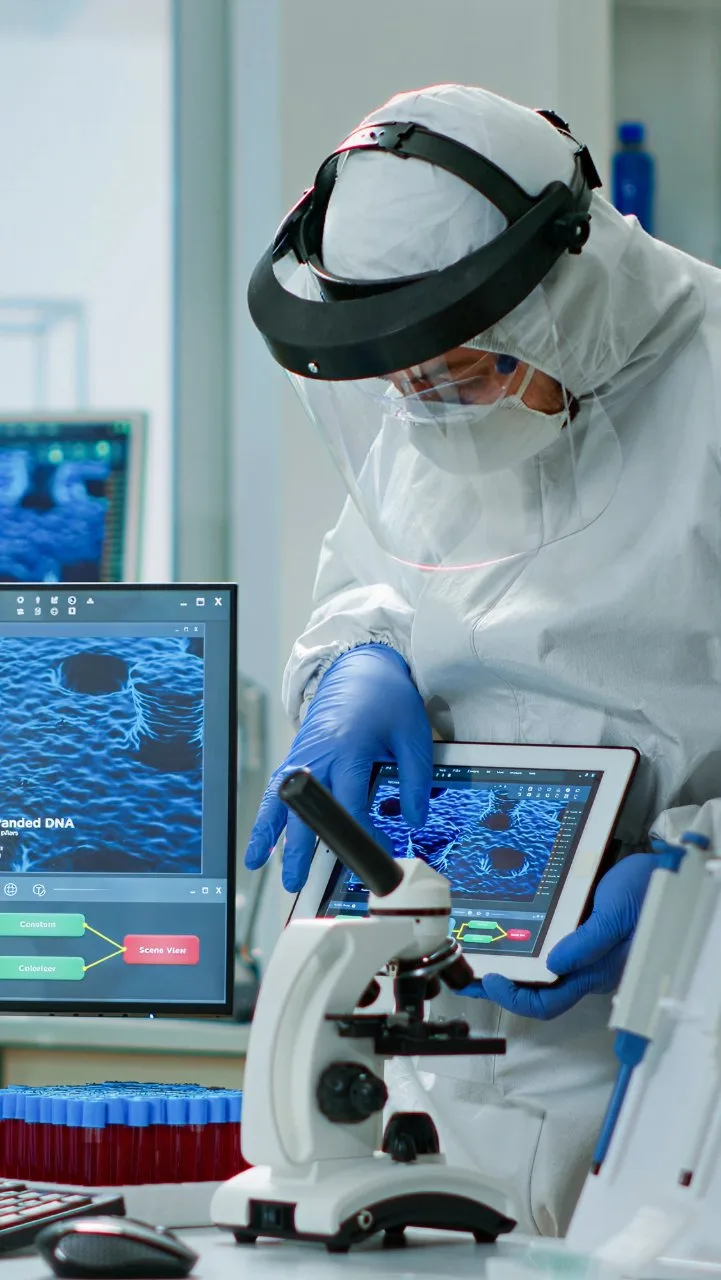
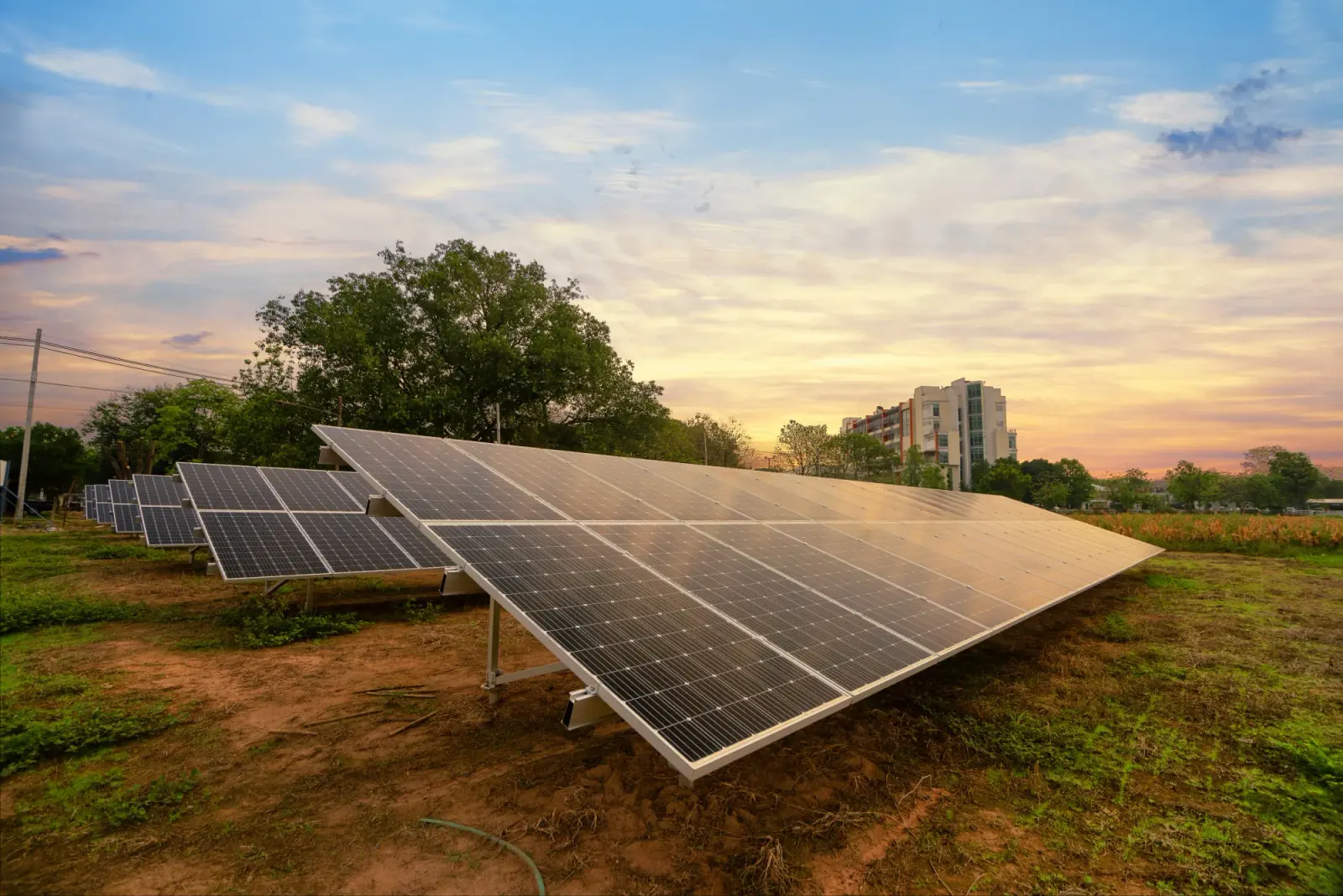
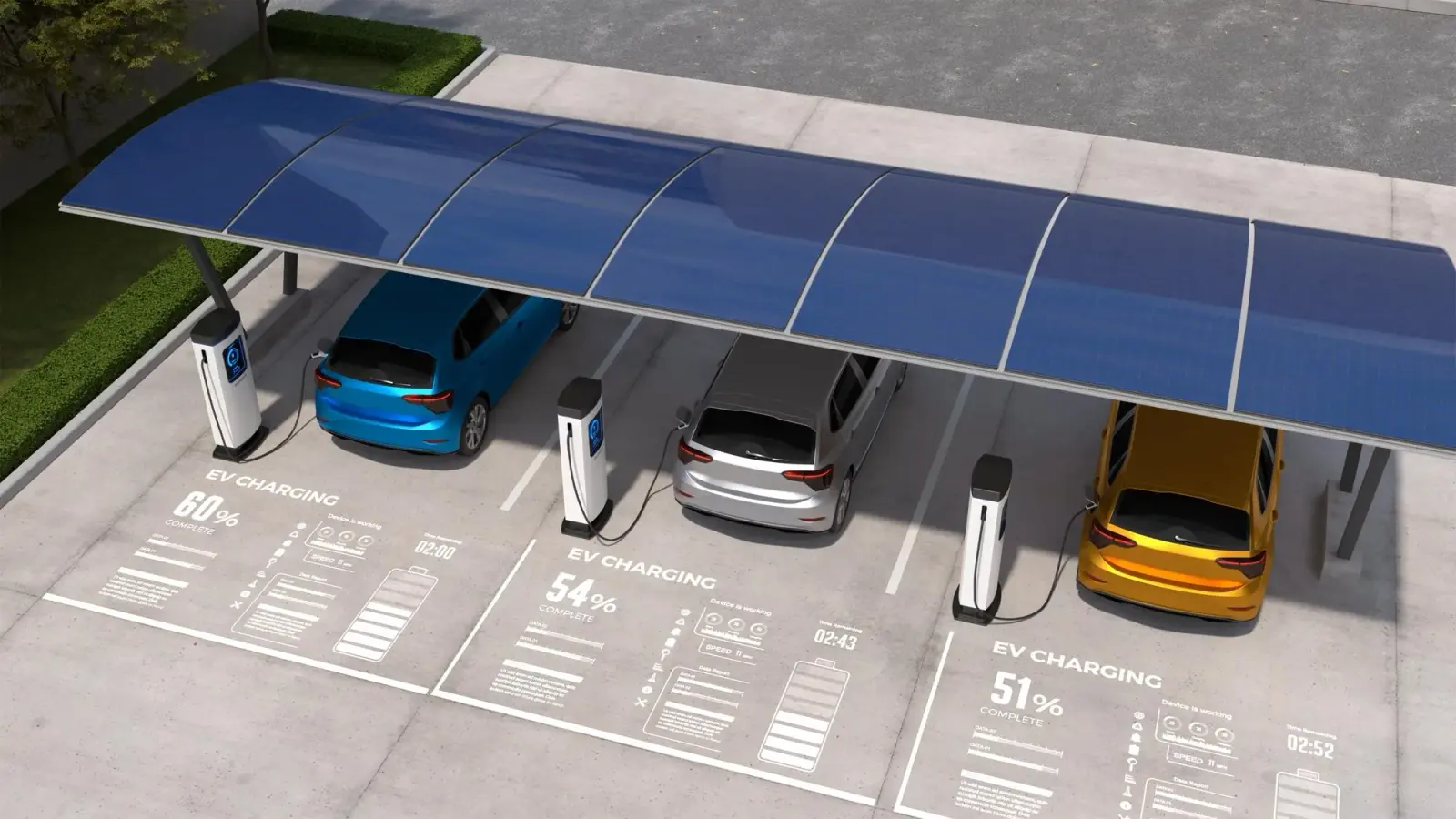
BeFunded has secured German and EU funding across the innovation economy. For EU Innovation Fund consulting the fit is strongest in energy, industry and manufacturing, where emissions avoided can be counted and priced.






Why BeFunded exists
Two founders, one mission: help every innovator in Europe fund what they build.

Our mission
To make public funding genuinely accessible to everyone building something new in Europe. Across research and development, health, agriculture, energy and far beyond, billions are set aside each year to back innovation, yet too much of it never reaches the teams doing the actual work. We want to change that, so that funding lands where it belongs and keeps innovation in Europe moving forward.
From founder to founder: we have been on the client side ourselves, and we learned how much complexity and uncertainty stands between a good project and the money meant to support it. EU Innovation Fund consulting is one answer, next to the German Research Allowance and the other programmes we run.
EU Innovation Fund questions, answered
The essentials on who qualifies, what is covered, how much and when.
The EU Innovation Fund is financed by revenues from auctioning EU Emissions Trading System allowances. Its estimated budget is around €40 billion for 2020 to 2030, moving with the carbon price.
Any legal entity, public or private, alone or in a consortium, can apply for the EU Innovation Fund. The project must sit in an EU Member State, Norway, Iceland or Liechtenstein, and must deploy innovative low-carbon technology at commercial scale rather than run early-stage research.
The EU Innovation Fund covers up to 60% of relevant costs, by default the project's capex plus the present value of its opex over the first ten years of operation, less revenues. A comparison with a conventional reference plant is only a fall-back you have to document. It is not 60% of total project cost.
Capital expenditure. EU Innovation Fund large-scale projects need capex above €100 million, medium-scale sit between €20 million and €100 million, small-scale between €2.5 million and €20 million. The 60% rate is the same.
The 2025 Net-Zero Technologies call closed on 23 April 2026 and the next Net-Zero Technologies call, a first SME call and a first maritime call, plus the heat and hydrogen auctions in December, are planned for the end of 2026. The Commission has opened one call a year in late November or December, with the deadline the following April, so plan for a similar window.
The EU Innovation Fund supports energy-intensive industry, renewable energy, energy storage, carbon capture and storage or utilisation, hydrogen, clean-tech manufacturing, maritime and transport. The condition is innovative low-carbon technology at commercial scale with measurable emission cuts.
EU Innovation Fund projects are evaluated on five criteria: degree of innovation, greenhouse-gas emission avoidance, project maturity, replicability and cost efficiency. Scoring is a cascade, so a weak innovation case ends the evaluation there.
No, but the application is heavy and the odds are long. EU Innovation Fund consulting is worth buying when the GHG methodology, the relevant-cost model and the financial maturity evidence have to hold up in a heavily oversubscribed call. BeFunded’s EU Innovation Fund consulting fee is a fixed share plus a success component, both agreed in advance.
Ask us anything
Tell BeFunded about your project and we will assess your case by hand. No prep, no obligation. Prefer to talk? If EU Innovation Fund consulting turns out not to be what you need, we will say so and point you at the programme that does fit.