
Apply for the Forschungszulage: your R&D tax credit, done for you.
We prepare everything, from certification to a tax-office filing ready for you or your tax adviser to submit, on a success-based fee. You keep building; we handle the paperwork.
Germany's statutory tax credit for R&D
Introduced in 2020 and expanded three times since, the Research Allowance (Forschungszulage, FZulG) has grown into one of Germany's largest funding instruments for innovation, research and development.
Its purpose is to strengthen Germany as a place to innovate by rewarding the development work companies already do. Access is deliberately broad and the effort is kept manageable, so that small and medium-sized businesses can benefit just as much as large corporations.
Each expansion has widened that reach further, raising the eligible base and the amounts companies can claim. How much it pays and exactly who qualifies is further down. All rates and caps since 2020 are in the Forschungszulage guide.
Four reasons the Research Allowance is worth claiming
Once your project meets the eligibility criteria, the allowance is a legal entitlement rather than a competition: the question is no longer whether you might be selected, but how much you can claim. Four things make it stand out.

Of eligible R&D cost
25% of the assessment base, 35% for SMEs (costs from 28 March 2024). For projects started from 2026 the 20% overhead flat rate is added: effectively up to 42%. Contract research counts at 70% of the fee (contracts before 28 March 2024: 60%).

Maximum per year
Applies to SMEs and to costs from 2026 (€12m assessment base × 35%); large companies receive at most €3m. The allowance is credited against tax, any surplus refunded.

Retroactive claims
You can still file for projects back to 2022. Claims for 2022 expire on 31 December 2026 — acting now protects money that would otherwise lapse.

Upfront fee
Our fee is success-based: you pay only after the allowance is paid out. No win, no fee, no risk to your cash flow.




What's funded, and who qualifies
The Forschungszulage rewards systematic work to create something new and technically uncertain. If your project is novel, planned and carries real development risk, the costs below are eligible, and most taxable German companies qualify. The full Forschungszulage requirements are in the guide.
What's covered
Eligible cost categories under §3 FZulG. Each is reimbursed at your applicable rate.
Gross salaries of employees working on the R&D project. For projects started from 1 January 2026, a 20% overhead flat rate is added on top. The largest cost block for most teams.
70% of the fee for contracts placed from 28 March 2024 counts as eligible cost (earlier contracts: 60%), funded at your rate. The contractor must be managed in the EU, or in an EEA state that provides administrative assistance in tax matters. Useful when you outsource part of the development.
Sole traders claim their own R&D hours at a flat rate (from 2026: €100 per hour, at most 40 hours a week). In a partnership this only works via a contractually agreed activity fee; GmbH founders claim their R&D time through their salary.
Joint development with universities or other companies qualifies, with each partner claiming their own share.
Costs from 2022 remain claimable, for 2022 only until 31 December 2026. See what changed.
Who qualifies
There is no industry restriction and no company-size limit. The bar is the project, not the sector.
Any company or sole proprietor liable for tax in Germany, regardless of legal form, can claim.
Startups, Mittelstand and large enterprises all qualify; size only affects your reimbursement rate.
Software, MedTech, cleantech, engineering, biotech and more, what matters is genuine R&D, not the field.
The company must not be classed as an undertaking in difficulty under EU state-aid rules at the time of claim.
Routine work does not qualify. The project must aim at something genuinely new with an uncertain outcome.
Free funding analysis 🚀
30 minutes, no obligation. You'll leave the call knowing where you stand.
- If your project can be funded
- A first estimate of the amount
- The main hurdles to expect

Success-based, so our interests are aligned
How to tell a good Forschungszulage adviser
Four questions separate the field. Does the fee depend on the result, or is it due regardless? Who writes the technical part of the BSFZ application — the adviser or you? Is the assessment base derived from your actual payroll records, or estimated? And is the adviser still there when the tax office asks follow-up questions, which happens more often than the marketing suggests.
At our own risk we assess eligibility and prepare the BSFZ application and everything for the tax-office claim, ready for you or your tax adviser to file.
The allowance is paid out to you by the tax office before any fee is due.
Our fee is a percentage of the funding secured, full service, audit-proof documentation included.
There is no upfront cost and no risk. We invoice only after the allowance has actually been paid out to you, if nothing is approved, you owe nothing.
Get a personalised R&D funding assessment
3 min · no documents · no obligation.

Looks promising! Book a 30-min call and we'll pin down your exact figure.
nowWhat the allowance looks like by team size
Indicative annual allowance by R&D team size. These are per-year figures, so a sustained team claiming across several years reaches a multiple of the amounts shown.
One to three developers on an R&D project for the year. Fits early startups and focused product teams.
A 5–15 person R&D function. The most common BeFunded client; average payout across our clients is around €380k.
Larger R&D organisations approaching the annual cap: €4.2m for SMEs, €3m for large companies (costs from 2026). Multi-project portfolios filed together.
Research allowance application: from first call to payout
Four steps. You stay focused on the work; we handle the funding end to end, on a fee agreed in advance.
Claiming the Forschungszulage retroactively
The claim is not limited to the current year: a financial year stays open for four years, counted to 31 December of the fourth following year. For 2022 that is 31 December 2026, after which 2023 moves up. The FZulG sets no deadline of its own — the assessment period under section 169(2) no. 2 AO applies.
Eligibility pre-check
We review your projects against the three BSFZ criteria, novelty, technical risk and method, and quantify a realistic claim. Free and with no obligation.
≈ 1 week · freeApplication preparation
We translate your work into the technical dossier the BSFZ expects, with the project description, state of the art, approach and risks written to certification standard.
≈ 3–4 weeks · a few hours from youSubmission & approval
We file the BSFZ application in your name and manage the process through to the binding certificate that confirms your project as eligible R&D.
BSFZ decision ≈ 3 monthsAnnual documentation
Each following year we capture the eligible costs, working time and evidence for your ongoing R&D, keeping everything structured and audit-ready.
≈ 2 weeksAnnual payout
For each year you keep developing, we prepare everything for the claim again, ready for you or your tax adviser to file, so the research allowance becomes a reliable, recurring source of funding.
after the financial year (timing depends on the tax office)Founder-led, and on your side

We started BeFunded after navigating Germany's funding maze for the companies we built before, and seeing how much gets left on the table. So we created the team we wished we'd had: technical founders who know the application from their own experience and guide you from first idea to payout, founder to founder.
your BeFunded teamIndividual approach
Technical argumentation written for your projects, never a template.
Maximised claim
We know exactly what qualifies and how to frame it, so you claim the full amount, not the safe minimum.
End-to-end
From the first eligibility check to filing and payout.
Audit-proof
Clean, complete documentation that holds up to every review, no surprises later.
Where the Research Allowance applies
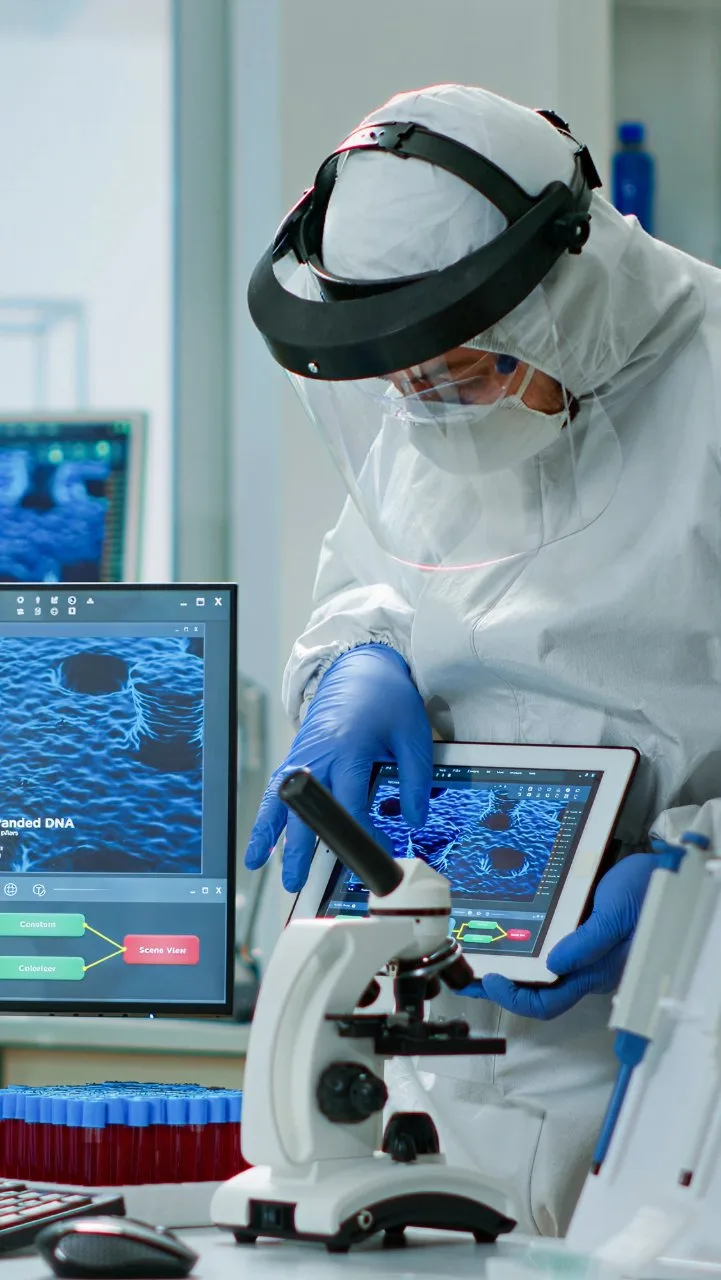
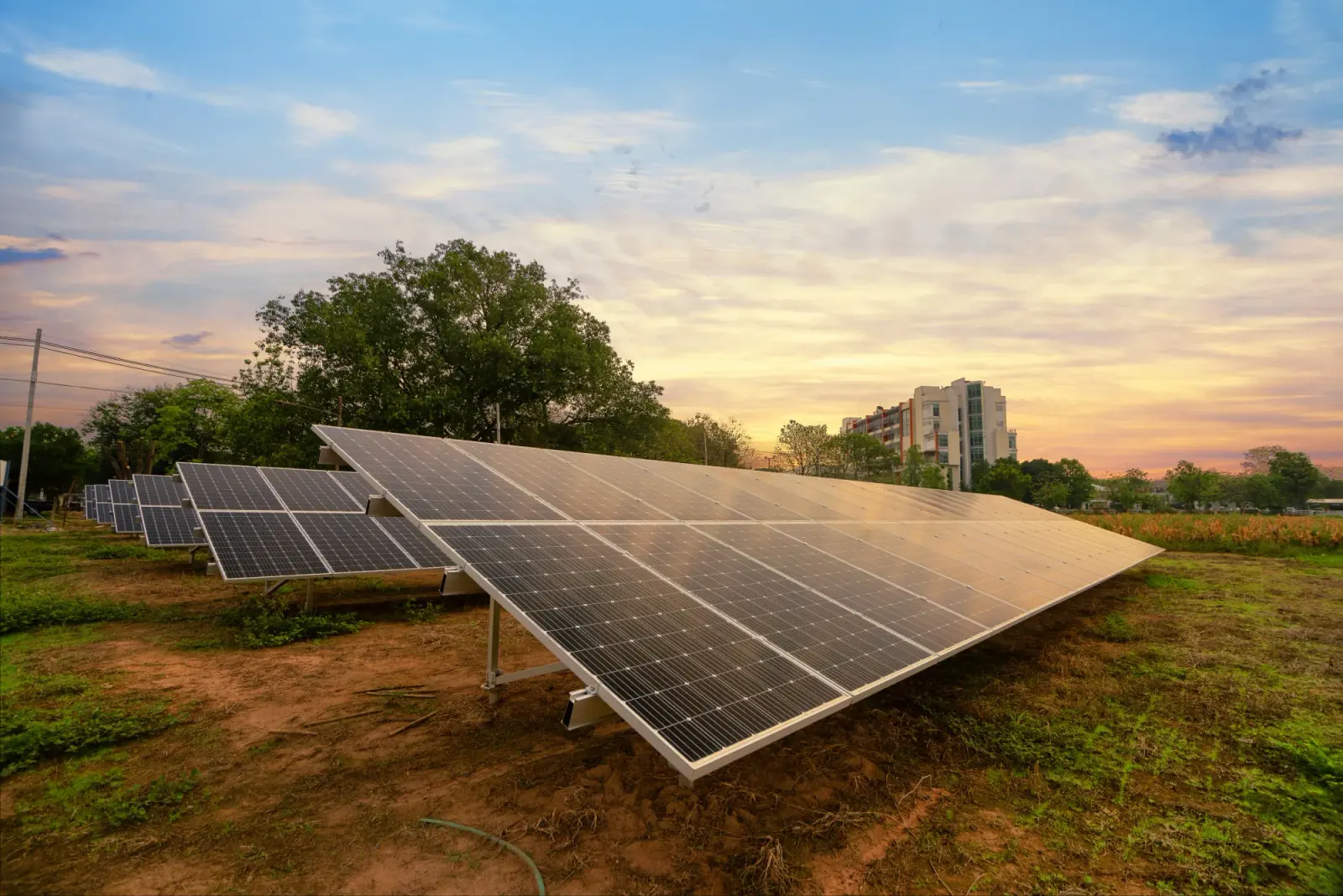
The allowance is open to every field doing genuine development. Here is how it tends to land in the sectors we work in most. What counts as R&D in detail is covered in the Forschungszulage guide.






R&D we've secured the allowance for
Practical examples based on real Research Allowance claims: anonymised, figures rounded, across software, energy, deep tech and industry.
Millions in allowance from in-house work alone, with zero contract research.
Read the story
A full rejection overturned on appeal, with a high contract-research share recognised.
Read the story
Three projects, one funding strategy, with the production boundary drawn cleanly.
Read the story
Two projects, an eligible base near €8 million, the allowance into the millions.
Read the story
Mechanics, control and biology funded as one interdisciplinary R&D project.
Read the story
Two projects certified, one rejected: a clear lesson in what actually qualifies.
Read the storyHow the Research Allowance keeps growing
The programme has been upgraded repeatedly since it launched, each time widening what you can claim. Here is how it has evolved, and the deadlines that matter now. The full overview of funding rates is in the guide.
The Research Allowance (FZulG) takes effect as a permanent, non-competitive tax incentive.
- 25% on eligible R&D personnel cost
- Assessment base €2m, from July 2020 €4m (max. €1m allowance)
- Credited against tax, surplus refunded, even in loss years
The biggest upgrade so far, widening both the rate and the eligible base.
- SMEs: 35% on costs from 28 March 2024
- Own work of sole traders & partners: €70/hour
- Depreciation on new R&D assets becomes eligible
- Assessment base €10m (max. €2.5m, SMEs €3.5m)
A second improvement broadens what counts and lifts the limits again.
- 20% overhead flat rate for projects started from 2026
- Own work: €100/hour
- From 2026: assessment base €12m (max. €3m, SMEs €4.2m)
The window on the oldest retroactive year closes.
- Last date to file for 2022
- After that 2023 moves up
Research Allowance questions, answered
The most common questions on eligibility, amounts, timing and the claim itself. Short answer first, detail after.
Last updated: September 2026
In two stages: the BSFZ certifies your project as genuine R&D; after the financial year you then file a separate application for the research allowance with your tax office via Mein ELSTER. We prepare both steps, including audit-ready documentation; the tax-office application is filed by you or your tax adviser.
A research allowance consultant at BeFunded costs nothing upfront: the fee is success-based, a percentage of the funding due only after payout. If nothing is approved, you pay nothing.
The tax office sets the research allowance in a notice and credits it against your next income or corporation tax assessment; any surplus is refunded to you, even in a loss year. If your tax return has not been filed yet, the tax office will, on request, cut your tax prepayments beforehand (section 10(2a) FZulG).
The research allowance is 25% of eligible R&D costs, 35% for SMEs; for projects started from 2026 the 20% overhead flat rate is added (effectively up to 42%). For costs from 2026 the assessment base is capped at €12m a year, so the allowance is at most €3m, or €4.2m for SMEs. Across our clients the average payout is around €380k.
Yes, the research allowance can be claimed retroactively back to 2022. The claim for 2022 expires on 31 December 2026 — a financial year stays open for four years, then 2023 moves up. Older eligible projects are worth filing now.
The research allowance covers internal R&D personnel (plus a 20% overhead rate for projects started from 2026), 70% of the fee for contract research (contracts before 28 March 2024: 60%), depreciation on new assets used only for R&D, fixed-rate own work of sole traders or agreed activity fees of partners, and cooperation projects. Routine work is excluded.
Every industry can qualify for the research allowance: software, MedTech, cleantech, engineering, biotech and more. What counts is whether your project is novel, plannable and carries genuine technical risk.
BeFunded's fee is success-based: 10% on funding up to €500k per year and 5% above that, invoiced only after the allowance is paid out. No approval, no fee.
The research allowance application takes roughly 1 week for eligibility and 4 weeks for the BSFZ application; the BSFZ then decides within three months of confirming receipt. The claim with the tax office follows after the financial year ends; the tax office credits the allowance at the next tax assessment and refunds any surplus.
A research allowance claim takes about 6–12 hours of your team's time. BeFunded writes the documentation, prepares the BSFZ application and everything for the tax-office claim, ready for you or your tax adviser to file; you only provide the technical substance.
What Founders Say About Our Innovation Funding Consulting
They turned our browser-based simulation work into a fundable application, and stayed persistent all the way to approval.


A great application for our AI research, approved in record time, with refreshingly down-to-earth advice.




Prepared clearly despite the bureaucracy, and the full amount was paid out.



Professional and smooth from start to finish, they guided us through the whole process.


Ask us anything
Tell us about your project and we'll assess your case by hand. No prep, no obligation. Prefer to talk?