GRW funding consulting: your regional investment grant.
The Gemeinschaftsaufgabe co-funds investments and the jobs they create for companies in Germany's structurally weaker regions. We confirm your site qualifies, build the case and run the application end to end.
Germany’s grant for regional investment
The GRW (Gemeinschaftsaufgabe „Verbesserung der regionalen Wirtschaftsstruktur“) is a joint Bund–Länder programme that pays a non-repayable grant on investments in designated assisted areas, new sites, expansions and the jobs they create.
The rate depends on your location, company size and project. Because it is tied to a region’s assisted-area map, the first step is always to confirm your site qualifies. See who qualifies further down. Regions, rates and deadlines are explained in the GRW funding guide.

First question: is your site in a GRW assisted area?
GRW is location-bound. Funding only exists for investments in designated assisted areas, defined in the joint federal–state assisted-area map. We confirm your location before anything else. The full GRW funding requirements are in the guide.

The decisive criterion: your site must lie in a C- or D-area on the current Fördergebietskarte.
You must keep the funded assets and the permanent jobs created or secured for at least five years after the investment is completed.
The application must be in before the investment begins; starting early generally disqualifies the project.
A new site, an expansion, a diversification or a fundamental change of an existing operation, buildings and equipment included.
What GRW pays, by region and company size
The grant is a share of your eligible investment. Try the estimator first, then see the full rate breakdown below, the rate scales with company size and the assisted-area category.
| Company size | C-area, higher tier | C-area, lower tier | D-area |
|---|---|---|---|
| Small | 35% | 30% | 20% |
| Medium | 25% | 20% | 10% |
| Large | 15% | 10% | De-minimis only |
Maximum rates under the coordination framework from 1 January 2026 (No. 2.5.1), covering GRW and all other public funds combined. Higher tier: C-areas with GDP per head of at most 100% or unemployment of at least 100% of the EU average (e.g. Helgoland). C-areas with a population decline of more than 10% (2009–2018) get 5 percentage points more; areas on the Czech or Polish border up to 45 / 35 / 25% (e.g. Landkreis Hof). Large companies in D-areas only receive de minimis aid (at most €300,000 over three years). Your Land sets the actual rate and uses the full ceiling in C-areas only for special structural effects.
From first call to funding
Four steps. You stay focused on the work; we handle the funding end to end, on a fee agreed in advance.
Eligibility check
We check whether your site lies in a C or D assisted area, whether your sector is eligible and by which of the three routes your project achieves the regional effect, and name the likely funding rate.
Application
We build the investment and financing plan with at least 25% own contribution free of public funds and choose the basis: capital investment or the wage costs of the new jobs.
Submission & review
The application goes to your Land's approval body, usually its development bank, before the investment starts; sign binding supply or works contracts only afterwards. We handle every query through to the decision.
Funding
After approval we support the payout and prepare the proof of use with cost receipts. You keep the funded assets and jobs for at least five years.
GRW in practice
Practical examples based on real projects we have taken through GRW, from first scoping to the funding decision. Anonymised, figures rounded.

How a medical-device manufacturer secured a GRW grant for a cleanroom capacity expansion in a…
Read the storyHow a metalworking company secured a GRW grant to diversify into renewable-energy components in a…
Read the storyHow a clean-tech manufacturer secured a GRW investment grant for a new plant in a structurally weak…
Read the storyIndustries we fund
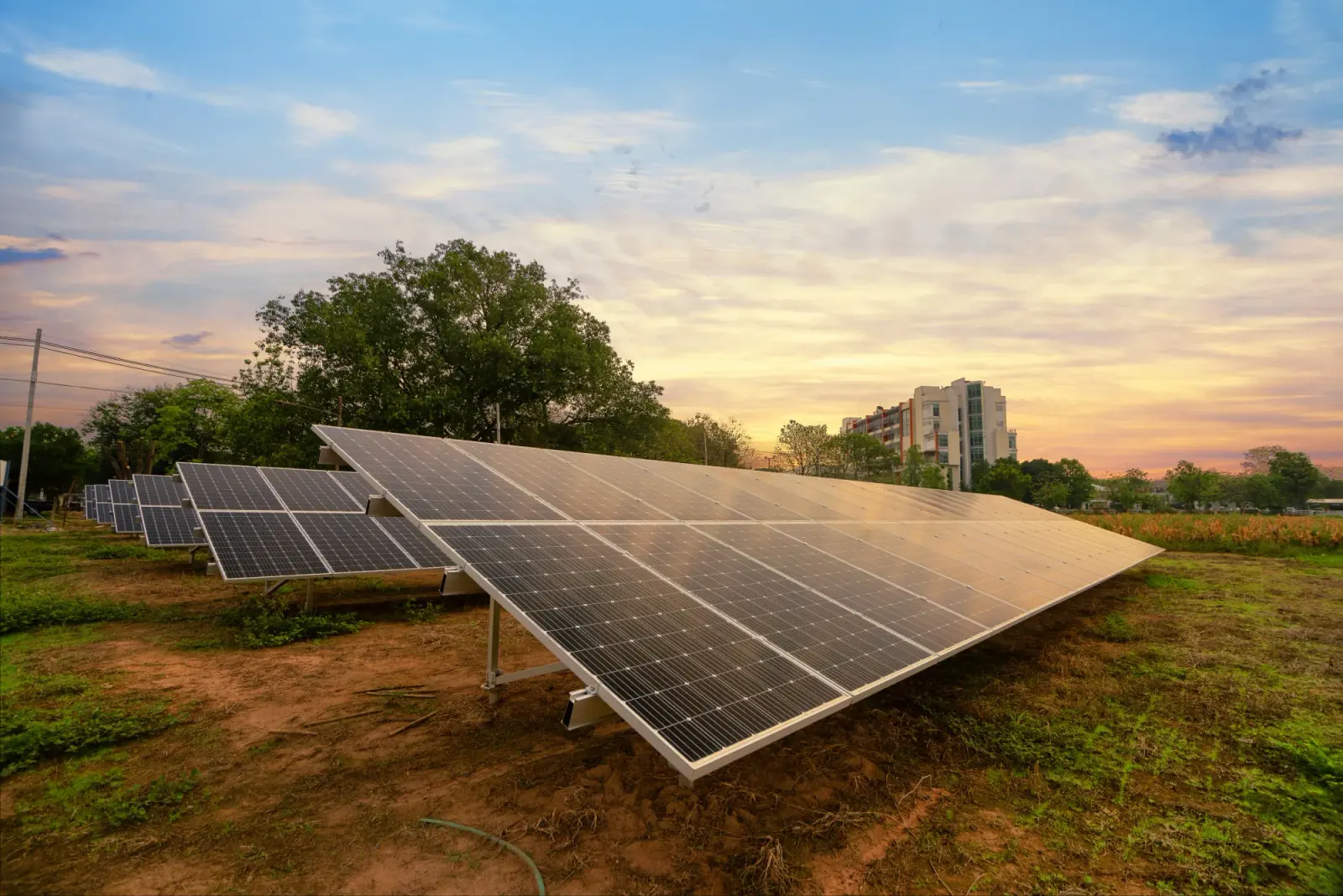
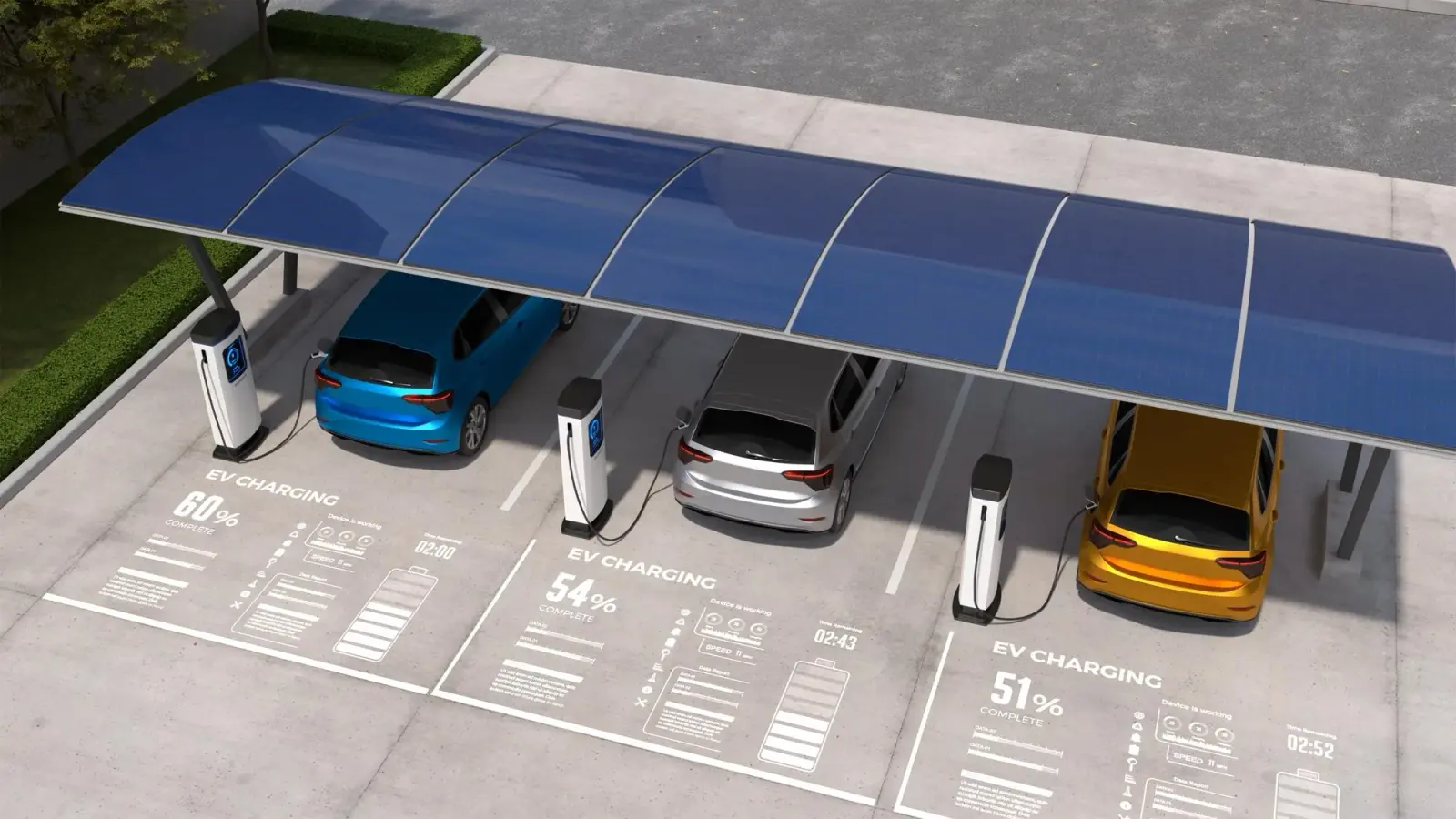
We've secured German and EU funding across the innovation economy. If you're doing genuine development, your field almost certainly fits.



What counts as an eligible investment
GRW funds the act of investing in a region. Your project must be one of five recognised types, and you choose one of two cost bases.
- New establishment in the assisted area
- Extension of an existing establishment
- Diversification into new products
- Fundamental change of the production process
- Acquisition of a closed or threatened establishment
Fund either your fixed-asset investment (land, buildings, machinery and intangibles), or instead the wage costs of the newly created jobs for two years each, whichever is more valuable for your project. Per new permanent job at most €1m of investment cost is eligible, per secured job €750,000.
You contribute at least 25% of the eligible costs from funds free of any public support, and the establishment must sit in a designated C- or D-assisted area.
Apply before you start: a binding supply or works contract counts as the start of the project. Rates are federal ceilings; your Land sets the actual rate.
Who can apply for GRW in 2026
Beyond the assisted-area location, GRW turns on company size, sector and a significant regional effect. A new coordination framework applies from 1 January 2026; until the end of 2026 the Länder may still approve under the old one.
Open to the commercial economy. Large enterprises are funded regularly only in C-areas, and only for a new establishment, a diversification or an acquisition; an expansion or a project in a D-area is possible for them only as de minimis aid.
Since 1 January 2026 a list of non-eligible sectors (WZ 2025) replaces the positive list, and the primary effect no longer applies. Excluded are, among others, agriculture and forestry, mining, energy supply, construction, trade (except parts of wholesale), transport and storage, finance and real estate, and health care.
One of three conditions is enough: +10% permanent jobs (SMEs approved by end-2028: +5%), an investment at least 50% above the average depreciation of the last three years (SMEs: 25%) or, until end-2028, +10% labour productivity with stable employment. It is met automatically for, among others, new settlements, diversifications and acquisitions.
At least a quarter of eligible costs financed from own or borrowed funds without public support, and the assets kept for five years.
Apply before you start
GRW can only fund a project that has not yet begun. One signature decides it.
A binding supply or works contract counts as the start. Sign it before applying and the funding is lost.
Buying the land, permits, planning, feasibility and soil studies do not count as starting.
To your Land's approval authority (usually the development bank, in Bavaria the district government), which sets the actual rate within the federal ceiling. A reformed framework with a productivity route applies since 2026; until the end of 2026 the Länder may still approve under the old one.
See if your project qualifies for GRW
Tell us about your investment and location. A funding advisor reviews your case by hand, then either comes back with feedback or a few follow-up questions. No obligation.
- Whether your site sits in an assisted area
- A first read on the grant amount
- What to prepare before you apply
Why BeFunded exists
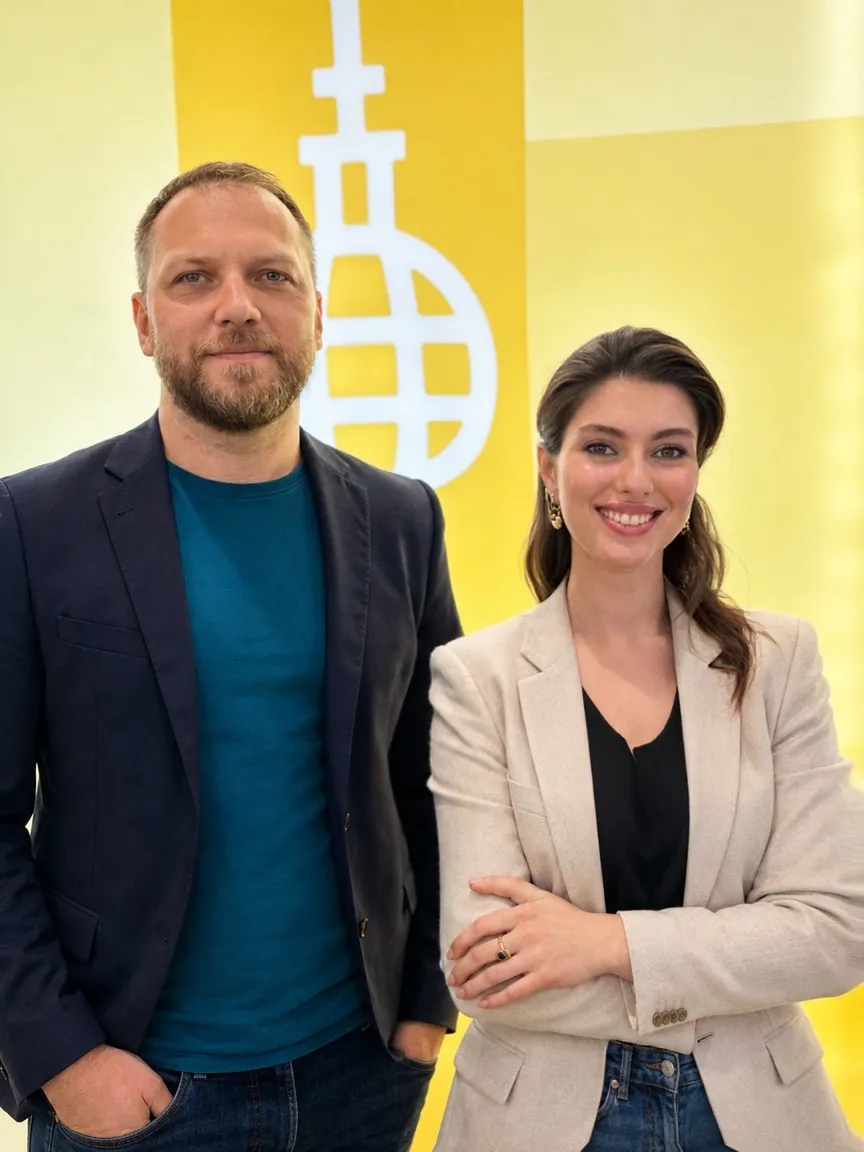
Two founders, one mission: help every innovator in Europe fund what they build.
Our mission
To make public funding genuinely accessible to everyone building something new in Europe. Across research and development, health, agriculture, energy and far beyond, billions are set aside each year to back innovation, yet too much of it never reaches the teams doing the actual work. We want to change that, so that funding lands where it belongs and keeps innovation in Europe moving forward.
From founder to founder: we have been on the client side ourselves, navigating Europe’s funding programmes first-hand, and we learned how much complexity, paperwork and uncertainty stands between a good project and the money meant to support it.
GRW questions, answered
The basics on who qualifies, how much, and the one timing rule that matters most.
GRW applies in designated assisted areas (C and D regions), mostly in eastern Germany and structurally weaker regions elsewhere. We check your site against the current GRW map.
Often, yes: for example with separate R&D programmes for different cost items. The coordination framework also has its own funding routes for environmental protection, energy efficiency and renewable energy. For the same costs the aid ceiling covers all public funds combined, so we plan the combination to avoid over-subsidy.
GRW applications are open to companies making a qualifying investment in a GRW assisted area, typically creating or securing jobs. Whether your location qualifies is the first thing we check.
The GRW funding rate depends on region, company size and project: 10 to 35% in most C-areas (5 points more where the population has declined sharply), up to 45% for small companies in C-areas on the Czech or Polish border, and 10 to 20% for SMEs in D-areas. Your Land sets the actual rate.
No, GRW is a non-repayable grant. Nothing has to be paid back as long as you meet the investment and job commitments tied to the grant.
You file the GRW application before the investment begins, i.e. before the first supply or service contract, the start of construction or a binding equipment order. What counts is the application, not the approval: after filing you may start at your own risk, but you have no entitlement to funding. Buying land, permits and planning do not count as starting.
For GRW consultancy with BeFunded, our fee is a fixed share plus a success component, both agreed in advance. So you know before the start what the consultancy costs.
Ask us anything
Tell us about your project and we'll assess your case by hand. No prep, no obligation. Prefer to talk?
Tell us about your project and we'll assess your case by hand. No prep, no obligation.