
Eurostars funding consultancy for German SMEs with EU partners
BeFunded is a Eurostars funding consultancy based in Berlin. Eurostars is the Eureka programme that co-funds market-driven R&D led by innovative SMEs with at least one partner in another Eurostars country. German partners are funded nationally: up to 50% of eligible costs, and up to €500,000 per project for all German partners together.
What is the Eureka Eurostars funding programme?
The Eureka Eurostars funding programme is a grant scheme for international R&D projects led by innovative SMEs. Eurostars 3 runs from 2021 to 2027 as the European Partnership on Innovative SMEs, co-funded by the EU through Horizon Europe. The money comes from national funding bodies, not from Brussels, under each country’s own rules.
Any civil field qualifies and there are no call topics. Germany’s funding body is the Federal Ministry of Research, Technology and Space (BMFTR); the DLR Projektträger (DLR-PT) in Bonn handles German applicants. BeFunded, as a Eurostars funding consultancy, sits between you, your partners and DLR-PT. Funding rates, cut-offs and process are explained in the Eurostars guide.





What are the Eurostars eligibility criteria?
Eurostars has seven eligibility criteria: an innovative SME from a Eurostars country leads, the consortium has at least two independent partners, they come from at least two Eurostars countries, one of them an EU member state or a Horizon Europe associated country, SMEs hold 50% or more of the budget excluding subcontracting, no partner or country holds more than 70%, the project runs 36 months or less, and it serves civil purposes only. A Eurostars funding consultancy checks all seven before drafting starts.
SME-led consortium
An innovative SME from one of the 37 Eurostars countries leads, with at least one independent partner abroad. One of the countries must be an EU member state or a Horizon Europe associated country.
Balanced budget
No single partner or country may carry more than 70% of the budget. SMEs from Eurostars countries carry 50% or more, excluding subcontracting.
Market-driven, civil R&D
Projects run 36 months or less and serve civil purposes only. Germany adds a national rule: results should be on the market within two years of project end.
Who is eligible for Eurostars funding in Germany?
In Germany, innovative SMEs under the EU definition are eligible for Eurostars funding. Universities and research institutes qualify only when a German SME in the consortium carries a substantial share of the R&D. Large companies can join a consortium but receive no German funding and must file a self-funding declaration. The full Eurostars requirements are in the guide.

An SME under the EU definition, based in a Eurostars country. No R&D track record is required, but DLR-PT runs a Creditreform credit check on every German SME.
From at least two different Eurostars countries, and independent of one another: a parent and its subsidiary do not count as two.
SMEs from Eurostars countries carry 50% or more, excluding subcontracting; no single partner or country holds more than 70%.
Any field, as long as the work is experimental development beyond the state of the art with a route to market within two years of project end.
| Partner type (Germany) | Funding | Cap |
|---|---|---|
| Innovative SME | up to 50% of eligible costs | shares the €500,000 cap per project |
| University / research institute | up to 100% of eligible expenses | only with a German SME doing substantial R&D; inside the same €500,000 project cap |
| Large company | can participate, no German funding | self-funding declaration required |
German rules come from the BMFTR Richtlinie for Eurostars 3, administered by DLR-PT. Eligible R&D runs up to a prototype (TRL 6); clinical trials, trade fair travel and subcontracts between partners are not funded. BeFunded’s Eurostars funding consultants apply these rules to your budget before submission.
One Eurostars application, 37 countries
A Eurostars application is one joint proposal, written in English and submitted on the Eureka project platform, that covers every partner in every country. The 37 Eurostars countries are all 27 EU member states plus Canada, Iceland, Israel, Norway, Singapore, South Africa, South Korea, Switzerland, Türkiye and the United Kingdom.
Finding a partner abroad is the first hurdle for most SMEs. The Enterprise Europe Network runs a matchmaking tool for Eurostars, and BeFunded, as your Eurostars funding consultancy, screens candidates against the independence and budget rules before you commit.
37 countries
Not every country funds every call. For Call 12 (deadline 4 March 2027), Belgium (Brussels region), Cyprus, Greece, Israel and Italy list no national budget, so partners there self-fund.
Any civil field
No predefined topics. Your consortium sets the project and evaluators judge it on its merits.
14 weeks
Eureka tells you within 14 weeks of the deadline whether your project can be funded. National grant agreements follow five to seven months after the deadline.
How is a Eurostars application evaluated?
Three independent experts score every Eurostars application on three criteria: quality and efficiency of implementation, impact, and excellence. An Independent Evaluation Panel then ranks the 200 highest-scoring proposals in one list that is binding for all countries. Around 20% of submitted applications pass and receive funding. A Eurostars funding consultancy writes to these criteria from the first draft.
A real technological step beyond the state of the art, with a clear technical challenge and a candid treatment of risk.
Market size, market access, competitive advantage and a realistic commercialisation plan with results on the market within two years of project end.
Complementary, independent partners, each with a clear role, and visible added value from working across borders.
Realistic milestones, a reasonable cost structure and a budget split that respects the 50% and 70% rules.
What is the Eurostars funding rate?
The Eurostars funding rate is set by each national funding body, not by Eureka. In Germany, the BMFTR funds SMEs at up to 50% of eligible costs and universities or research institutes at up to 100%, capped at €500,000 for all German partners in one project. Other countries apply their own rates, for example up to 40% for SMEs in France and up to 60% for small companies in Spain.
Funded nationally
Each partner is paid by its own country’s funding body towards one shared, synchronised project. German partners receive a non-repayable grant from the BMFTR, administered by DLR-PT.
up to 50%
The grant is state aid under Article 25 of the General Block Exemption Regulation (GBER), category experimental development. Companies in difficulty under Article 2(18) GBER are excluded, and de minimis aid cannot be stacked on the same costs.
Your German share
Amounts a Eurostars funding consultancy like BeFunded quotes are the German partners’ funded portion, not the whole consortium budget. The average Eurostars project budget is €1.5 million across all partners.
Four problems a Eurostars funding consultancy solves
A Eurostars funding consultancy earns its fee on four recurring problems: partners that fail the independence or budget rules, national funding rules that differ per country, two tight cut-off deadlines a year, and a two-stage process: international proposal first, German national application second. BeFunded handles all four.
BeFunded checks each candidate partner against the seven criteria and its own national rules before you sign a consortium agreement.
A Dutch partner faces a €500,000 cap per project; a French SME gets up to 40% and may apply once per call. BeFunded aligns the budget so every partner stays fundable.
Calls close in spring and autumn. The next Eurostars deadline is 4 March 2027 at 14:00 CET, with the call opening on 17 December 2026.
The international proposal is stage one. After a positive ranking, DLR-PT requests a national application on easy-Online, due within two weeks. Your Eurostars funding consultant prepares both stages in parallel.
How do you apply for Eurostars?
You apply for Eurostars by submitting one joint proposal in English on the Eureka project platform before a cut-off deadline, with an SME declaration, a signature form per partner and, for German partners, a cost calculation from easy-Online. After a positive ranking, each German partner files a national application with DLR-PT within two weeks.
One international application
The lead SME opens the application on myeurekaproject.org, invites the partners and submits before the deadline. Startups without a full annual report add a business plan.
Eligibility and viability checks
Eureka confirms the seven criteria within a week. National bodies, in Germany DLR-PT, check legal and financial viability.
Expert evaluation
Three independent experts score each proposal on implementation, impact and excellence. Applicants may exclude named experts for direct competition.
Ranking
An Independent Evaluation Panel ranks the 200 highest-scoring proposals in a list that is binding for all 37 countries. Funding flows down the list until national budgets run out.
National funding
DLR-PT invites ranked German partners to file the national application on easy-Online within two weeks; your Eurostars funding consultant files it. The grant agreement follows five to seven months after the deadline.
Two cut-offs a year and a decision within 14 weeks: with a Eurostars funding consultancy handling both stages, a Eurostars grant can move from idea to signed agreement inside a year.
What costs can the German partner claim?
German partners can claim R&D costs up to a prototype at TRL 6, in the categories set by Article 25 GBER: personnel, depreciation of instruments and equipment, contract research and purchased knowledge, and additional overheads and materials. Costs beyond the prototype, such as series production, marketing or trade fair visits, are not eligible.

Researchers, technicians and other staff for the time they work on the project: the core of most Eurostars budgets.

Contract research, bought-in knowledge, patents and consulting used only for the project. Subcontracts to other consortium partners are not allowed.

Depreciation of instruments and equipment over the project period, or full cost if used only for the project.

Materials and consumables, plus additional overheads caused directly by the project. GBER 2023/1315 changed the overhead rules; your Eurostars funding consultant builds the easy-Online calculation to the current version.
Is a Eurostars grant the right instrument for your project?
A Eurostars grant fits an SME with a cross-border R&D project at roughly TRL 4 to 6 that wants a decision within 14 weeks and no predefined topic. The EIC Accelerator backs one company with grant plus equity for later-stage scale-up. Horizon Europe innovation actions need three partners from three countries on a set call topic.
A purely German project without a foreign partner belongs in the Forschungszulage instead, or in ZIM once its application pause ends (targeted for early 2027); BeFunded’s Eurostars consultancy team runs the ZIM funding consultancy and the Forschungszulage (research allowance) as well.
| Eurostars 3 | EIC Accelerator | Horizon Europe IA | |
|---|---|---|---|
| Suits | SME-led cross-border R&D | Single deep-tech scale-up | Large collaborative innovation |
| Partners | 2+, from 2 countries | Single company | 3+, from 3 countries |
| Funding | Germany: up to 50%, max €500k per project | Grant under €2.5m plus equity of €1m to €10m | 70% (100% for non-profits) |
| Style | Bottom-up, two calls a year | High bar, multi-stage | Top-down, by call topic |
See if your project fits Eurostars
Tell us about your project and your partners. A BeFunded Eurostars funding consultant reviews your case by hand, then comes back with feedback or a few follow-up questions. No obligation.
- Whether Eurostars is the right fit
- A first read on the German funding amount
- What to prepare before the next deadline
How a Eurostars funding consultancy supports your proposal
BeFunded, as your Eurostars funding consultancy, checks eligibility, writes the joint proposal, aligns the budget across partner countries, files the German national application with DLR-PT and prepares the reporting until the grant is paid out. You spend six to twelve hours. The fee is agreed in advance: a fixed share plus a success component.
Eligibility check
BeFunded reviews your consortium against the seven Eurostars eligibility criteria and the German rules, then gives you a realistic funding figure before you commit any time.
Application
You explain the technology and the market. BeFunded writes the technical case, exploitation plan and budget, and coordinates the partners’ sections on the Eureka platform.
Submission & review
BeFunded submits the international proposal, answers queries from Eureka and DLR-PT, and files the easy-Online national application inside the two-week window.
Funding
Once approved, BeFunded sets up the consortium agreement, the six-monthly progress reports and the German cost statements so the grant is released on time.
Eurostars grants in practice
Practical examples based on real projects BeFunded has taken through Eurostars 3 as the consortium’s Eurostars funding consultancy, from first scoping to the funding decision. Anonymised, figures rounded.


Industries BeFunded funds
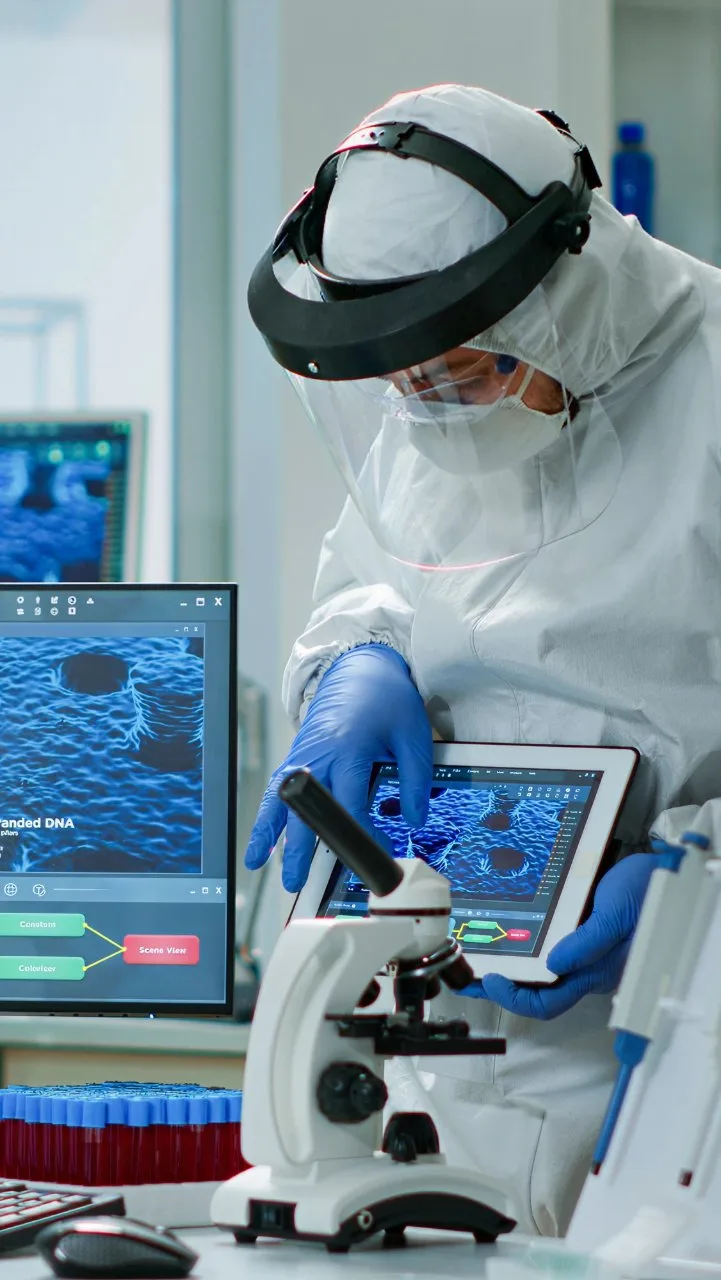
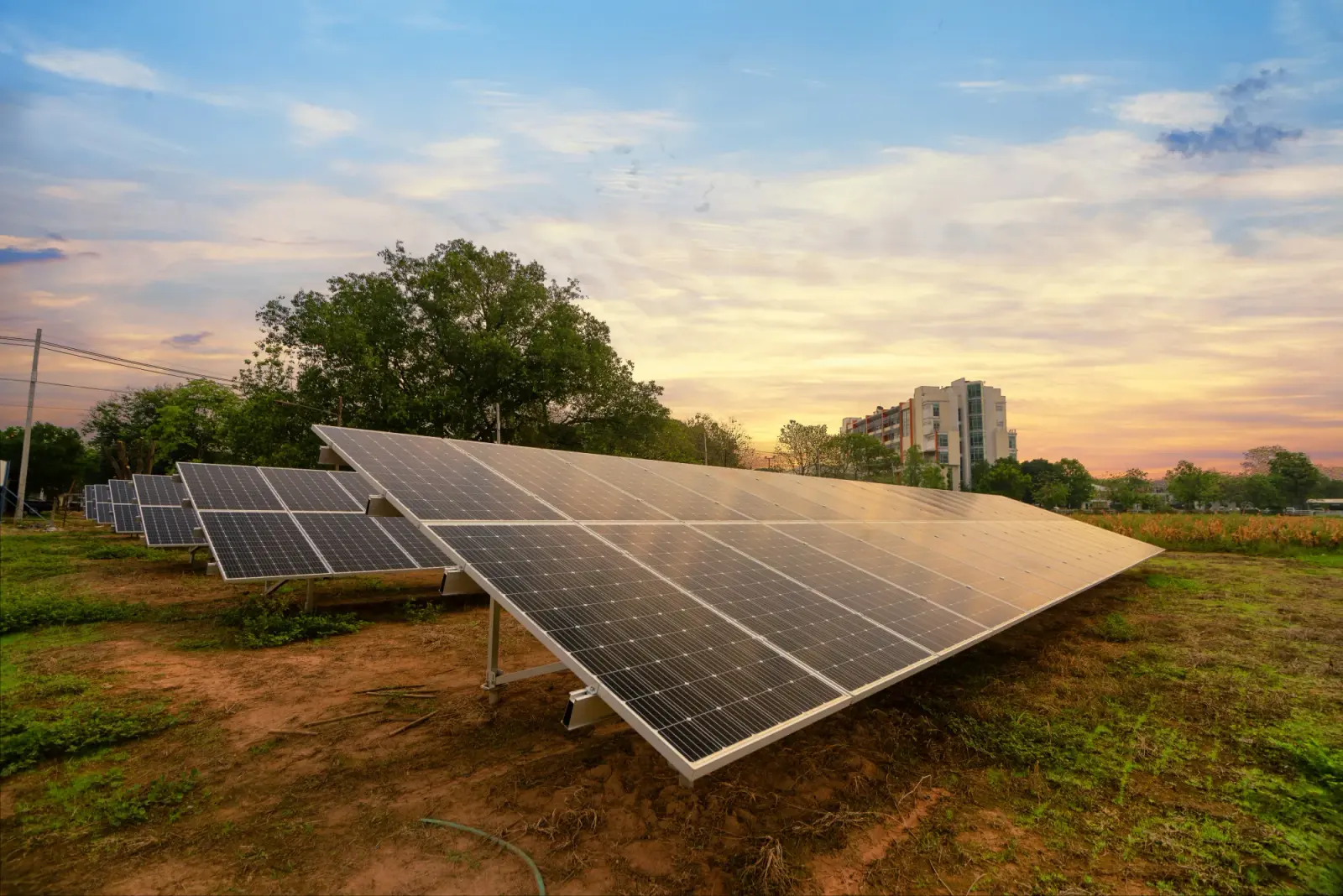
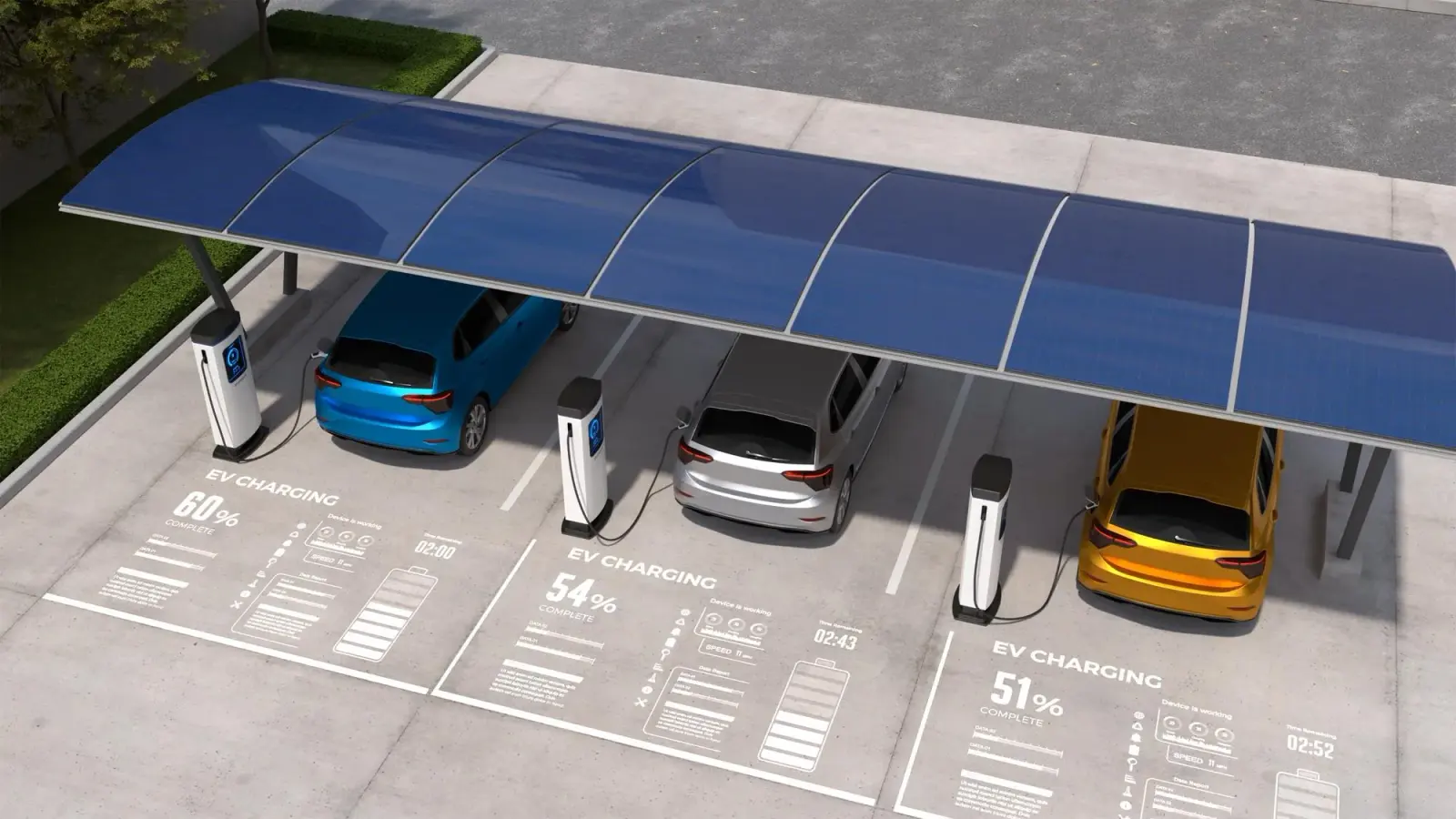
BeFunded, a Eurostars funding consultancy and Forschungszulage advisor, has secured German and EU funding across the innovation economy. If you are doing real development work with a partner abroad, your field almost certainly fits Eurostars.






Why BeFunded exists
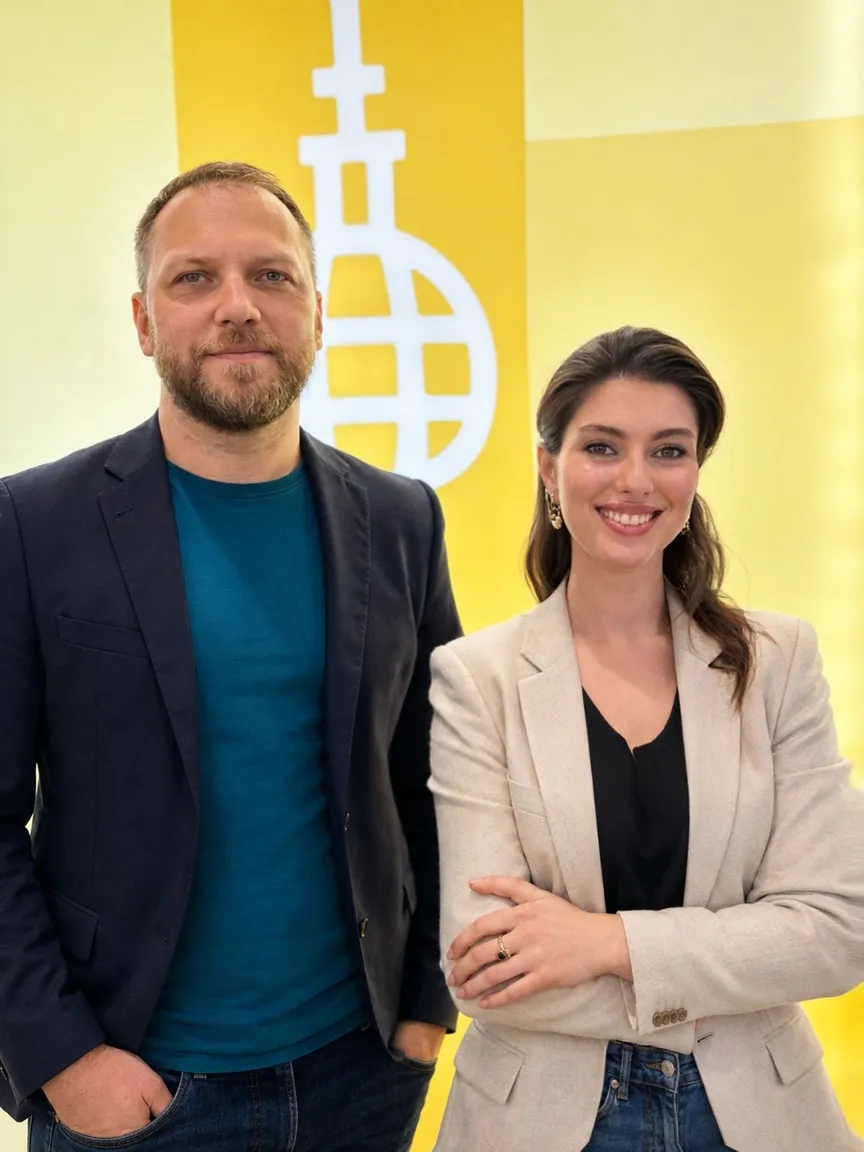
Two founders, one mission: help every innovator in Europe fund what they build.
Our mission
To make public funding genuinely accessible to everyone building something new in Europe. Across research and development, health, agriculture, energy and far beyond, billions are set aside each year to back innovation, yet too much of it never reaches the teams doing the actual work. We want to change that, so that funding lands where it belongs and keeps innovation in Europe moving forward.
From founder to founder: we have been on the client side ourselves, working through Europe’s funding programmes first-hand, and we learned how much paperwork and uncertainty stands between a good project and the money meant to support it. That is why BeFunded exists as a Eurostars funding consultancy and Forschungszulage advisor.
Eurostars funding: your questions answered
The essentials on who qualifies, what is covered, how much, and when.
Eurostars is the Eureka network’s funding programme for international R&D projects led by innovative SMEs, co-funded by the EU through Horizon Europe. It covers 37 countries and any civil field, and each partner is paid by its own national funding body.
Innovative SMEs that lead a consortium with at least one independent partner in another Eurostars country are eligible for Eurostars funding. Universities, research institutes and large companies can join as partners. In Germany, SMEs receive funding, and research institutes only when a German SME partner carries a substantial share of the R&D work.
In Germany, Eurostars funds up to 50% of eligible costs for SMEs and up to €500,000 in total for all German partners in one project. Universities and research institutes can receive up to 100%. Rates and caps in other countries differ, so a Eurostars funding consultancy quotes the German share, not the consortium total.
Eurostars has two cut-off deadlines a year, in spring and autumn. Call 12 opens on 17 December 2026 and closes on 4 March 2027 at 14:00 CET; German partners then have two weeks to file the national application once DLR-PT asks.
You apply in two stages: one joint international proposal on the Eureka project platform, then a national application on easy-Online for each German partner after a positive ranking. The proposal is in English and needs an SME declaration, a signature form per partner and a cost calculation; a Eurostars funding consultancy such as BeFunded coordinates both stages.
Around 20% of submitted Eurostars applications pass the evaluation and receive funding, according to the Eureka Secretariat. Only the 200 highest-scoring proposals per call reach the Independent Evaluation Panel; a consortium that fails an eligibility criterion is rejected before evaluation.
Yes. Eurostars requires at least two independent partners from two different Eurostars countries, so a purely German project does not qualify. An innovative SME must lead the consortium, and a Eurostars funding consultancy can screen partner candidates for you.
For Eurostars consulting, BeFunded’s fee is a fixed share plus a success component, both agreed in advance. The eligibility check is free, and your own time commitment is around six to twelve hours.
Ask a Eurostars funding consultant
Tell us about your project and BeFunded will assess your case by hand. No prep, no obligation.
BeFunded is a Berlin-based Eurostars funding consultancy for SMEs with partners abroad: fee agreed upfront, six to twelve hours of your time, and a free eligibility check before the next deadline.